Tree Cabling Service in Reno, NV
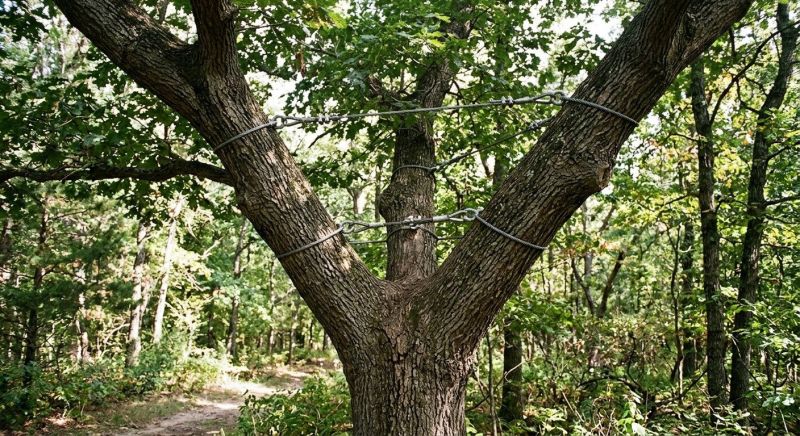
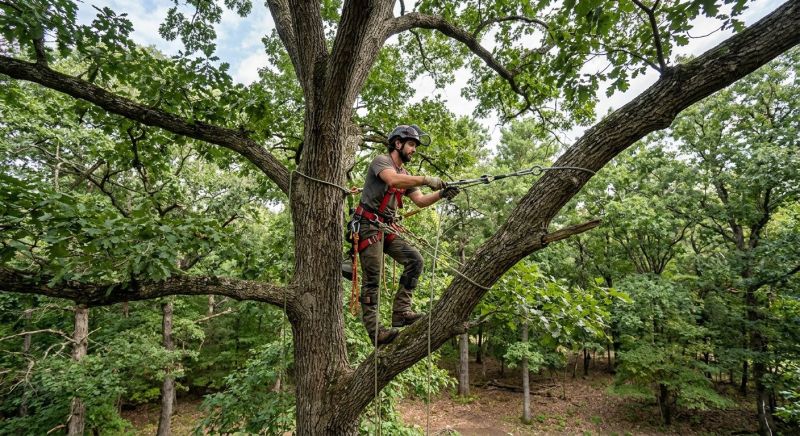
Tree cabling services involve installing supportive cables and braces to help maintain the stability and health of mature or structurally compromised trees. This process is often used for trees with weak branches, splits, or included bark, as well as for those near structures or high-traffic areas where falling limbs could pose a risk. Projects typically include reinforcing large, valuable trees or addressing specific safety concerns to prevent potential damage or injury, ensuring the longevity and safety of the trees and surrounding property.
Property owners interested in tree cabling should understand that the service is designed to provide additional support without removing or drastically altering the tree’s natural growth. Before requesting this service, it’s useful to assess the tree’s overall health and structural integrity, and to consider the specific areas where support is needed most. Consulting with a professional can help determine whether cabling is appropriate and how it can best protect both the tree and nearby structures or landscape features.
Many property owners in Reno, NV look into Tree Cabling Service for repairs, replacements, upgrades, and appearance-related improvements.
Tree Support And Stability
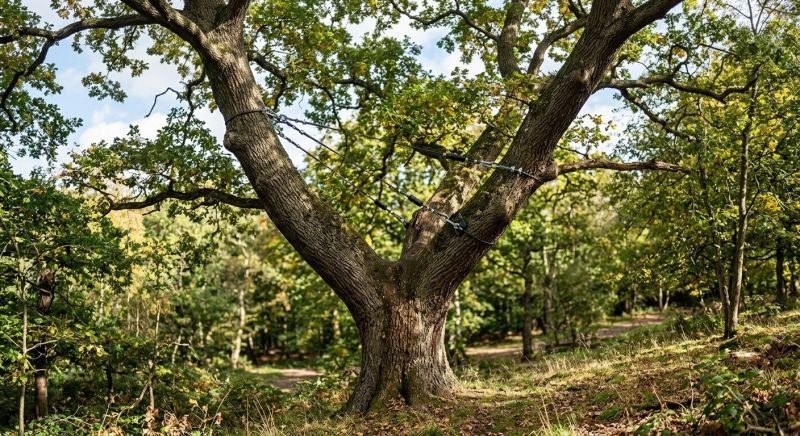
Tree cabling helps prevent branches from splitting and supports weak limbs.
Protecting Property And People
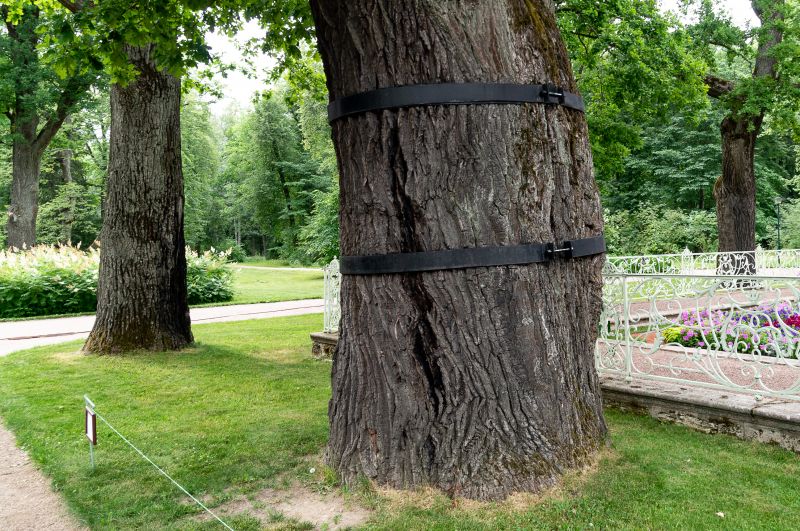
Proper cabling reduces the risk of falling branches causing damage or injury.
Preserving Tree Health
Cabling can extend the lifespan of valuable or historically significant trees in reno area landscapes.
Tree Cabling Service in Reno, NV
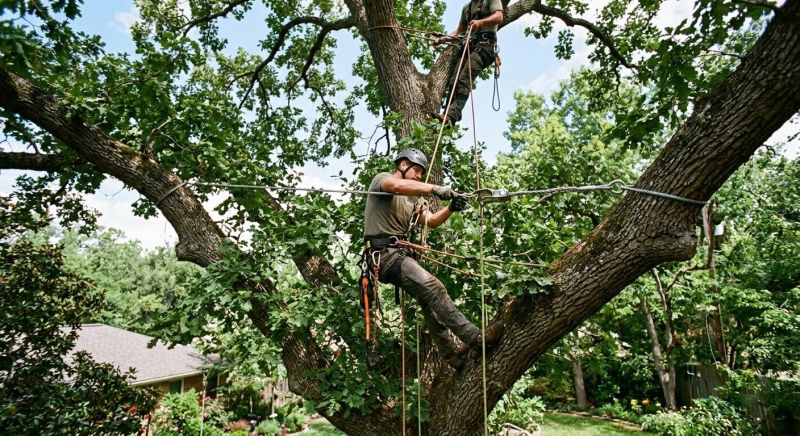
Tree cabling services involve installing supportive cables and braces to help maintain the stability and health of mature or structurally compromised trees. This process is often used for trees with weak branches, splits, or included bark, as well as for those near structures or high-traffic areas where falling limbs could pose a risk. Projects typically include reinforcing large, valuable trees or addressing specific safety concerns to prevent potential damage or injury, ensuring the longevity and safety of the trees and surrounding property.
Property owners interested in tree cabling should understand that the service is designed to provide additional support without removing or drastically altering the tree’s natural growth. Before requesting this service, it’s useful to assess the tree’s overall health and structural integrity, and to consider the specific areas where support is needed most. Consulting with a professional can help determine whether cabling is appropriate and how it can best protect both the tree and nearby structures or landscape features.
Many property owners in Reno, NV look into Tree Cabling Service for repairs, replacements, upgrades, and appearance-related improvements.
Common Tree Cabling Service Jobs
Tree cabling - supports weak or damaged branches to prevent breakage.
Tree bracing - stabilizes trees with structural issues to reduce risk.
Canopy support - maintains the shape and health of mature tree crowns.
Branch stabilization - prevents heavy branches from splitting or falling.
Tree health enhancement - improves safety and longevity of valuable trees.
Structural reinforcement - helps protect trees during storms and high winds.
Tree Cabling Service Questions
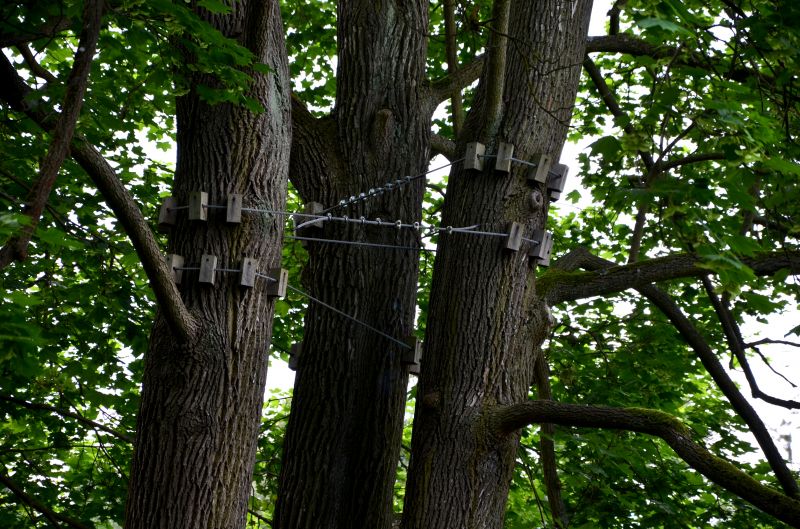
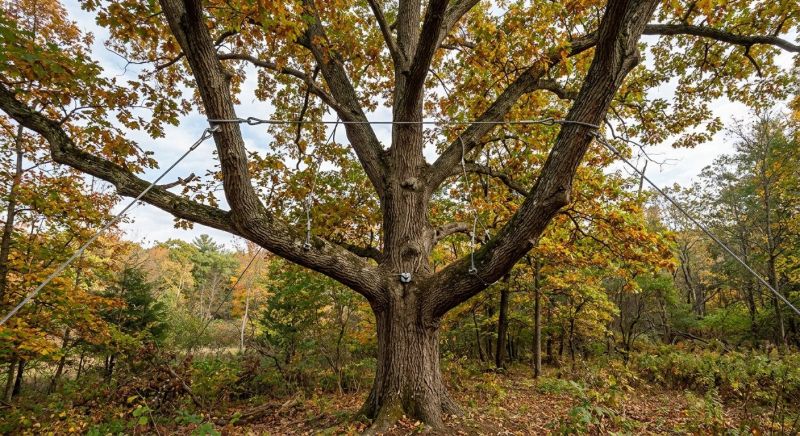
What is tree cabling? Tree cabling involves installing supportive cables to help stabilize and reinforce weak or damaged branches and limbs.
Why consider tree cabling services? It helps prevent branch failure, reduces the risk of property damage, and extends the life of mature or vulnerable trees.
What types of trees benefit from cabling? Large, old, or structurally compromised trees are common candidates for cabling to improve stability.
How does tree cabling work? Support cables are strategically installed to distribute weight and reduce stress on weak points within the tree structure.
Request Tree Cabling Service in Reno, NV
Use the quote form on this page to share the basics of your project and request more information for the type of work you need.